Journey of the Smart Grid Observatory
Why IES exists
India's utilities have added smart meters, rooftop solar, EV charging and demand-side tools at pace. Each produces useful data, and each sits in a system that cannot read its neighbours. A single DISCOM often runs four separate systems, one each for metering, billing, net metering and demand response, and connects them one bespoke integration at a time. Add a new vendor and the DISCOM starts again. The same integration is then repeated, utility by utility, across the country, and the same applies to most stakeholders.
India has solved this problem before through other Digital Public Infrastructures (DPIs). IES applies the same idea to energy: not a new central platform, and not a database that stores or holds anyone's data. It is a shared set of specifications that lets the systems already built talk to each other, while data stays exactly where it is generated. Three steps make this work: register once, discover who else is on the digital rails, and exchange data directly, system to system.


IES Task Force

Nandan Nilekani
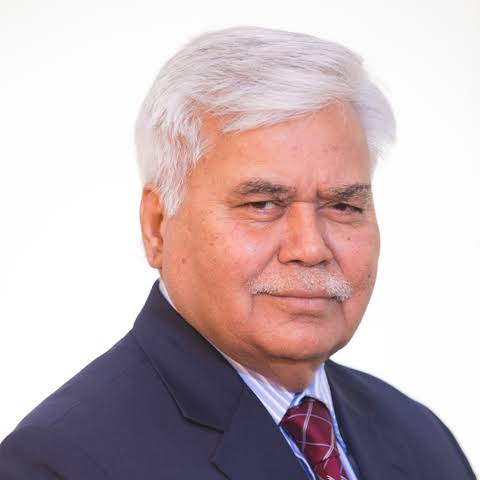
Dr. Ram Sewak Sharma

Pradeep Kumar Pujari

Pramod Varma

Ghanshyam Prasad
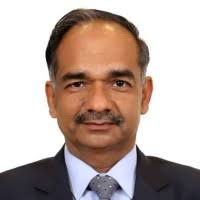
Alok Kumar

Jitendra Srivastava

Lokesh Chandra

Prudhvi Tej Immadi

Arti Dogra

Raveesh Gupta
Jenu Devan

Yogesh Choudhary

Abhishek Ranjan

Dwarka Sreenath

Kandarp Patel
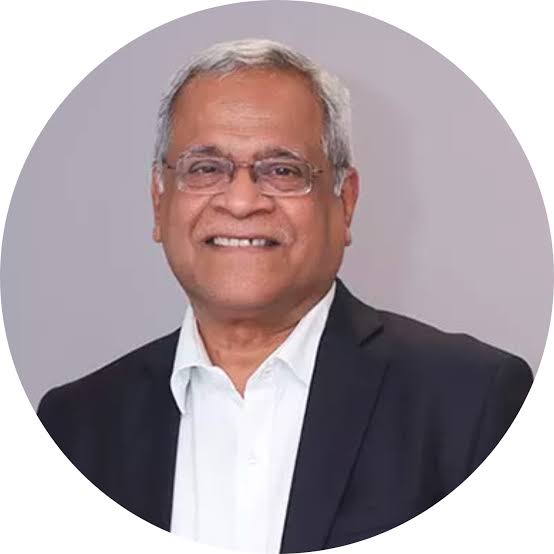
S K Soonee

Vikram Gandotra

Prof. Zakir Hussain

Debjani Ghosh
Sanjay Koul

Abhishek Kumar Singh

Vikram Dhaka

Shashank Misra

Swetha Ravi Kumar

Sujith Nair

Dr. Rahul Tongia

Reji Pillai

Saurav Kumar Shah

Prince Dhawan
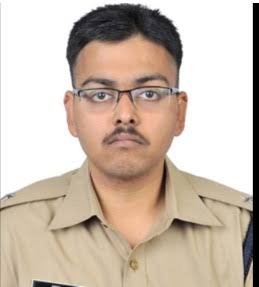
Pranav Tayal
IES Expert Working Group
Join Our Community
To meet, discuss and learn and to stay updated on all our activities
Send mail to our Secretariat →